
The JUST Society is a professional organization composed of Black male C-suite leaders in biotech and life sciences, is intentionally building mentorship and sponsorship pathways to expand executive representation in the industry.
In a private Building Bridges session, leaders shared actionable insights on:
-
How mentorship accelerates biotech careers
-
Why sponsorship determines C-suite advancement
-
How to show up effectively as a mentee
-
How organizations can structurally build leadership pipelines
For executives and emerging leaders in biotech, the message was clear: expanding leadership connections is a strategic advantage — not a soft skill.
What Is The JUST Society?
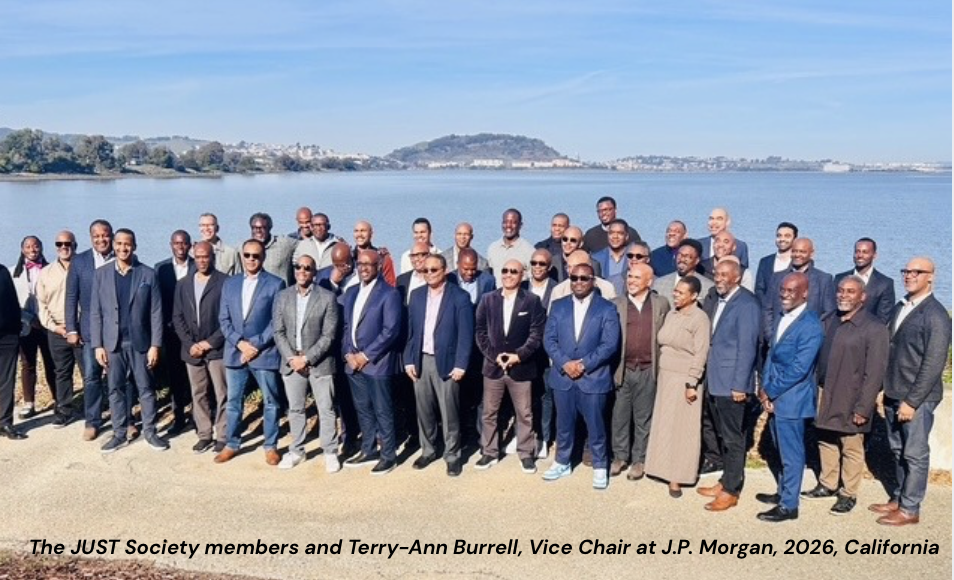
The JUST Society is a leadership organization composed of Black male C-suite executives across biotech, pharmaceuticals, medical devices, and life sciences.
Inspired by Dr. Ernest Everett Just, a pioneering marine biologist and cell physiologist, the organization exists to:
-
Increase Black representation in executive biotech leadership
-
Expand access to corporate board seats
-
Provide structured mentorship and sponsorship
-
Create a psychologically safe space for peer-level dialogue
Its long-term objective is to significantly increase the number of Black men serving in executive roles within life sciences.
The organization focuses on systems-level leadership transformation — not performative inclusion.
Why Mentorship and Sponsorship Matter in Biotech
In biotech and life sciences, leadership decisions shape:
-
Drug pipelines
-
Capital allocation
-
Regulatory strategy
-
Research priorities
Advancement to the C-suite is rarely performance-based alone.
Mentorship provides guidance and clarity.
Sponsorship provides advocacy and opportunity.
The executives emphasized that sponsorship — being advocated for in rooms you are not in — is often the decisive factor in executive promotion decisions.
For biotech professionals aiming for senior leadership, cultivating both mentorship and sponsorship relationships is essential.
4 Keys to Mentee Effectiveness in Biotech Leadership Circles
The session also offered practical guidance for emerging leaders seeking mentorship.
1. Show Up Prepared
Have a defined objective before requesting time.
2. Respect Executive Time
Ask for 15 minutes if that is sufficient. Senior biotech leaders manage compressed schedules.
3. Take Initiative
Drive the conversation forward. Do not rely on the mentor to create structure.
4. Protect First Impressions
Executive environments evaluate readiness quickly.
The takeaway: clarity signals leadership maturity.
The Shift from Performance to Executive Impact
Insight Shared: Career Progression Operates in Thirds
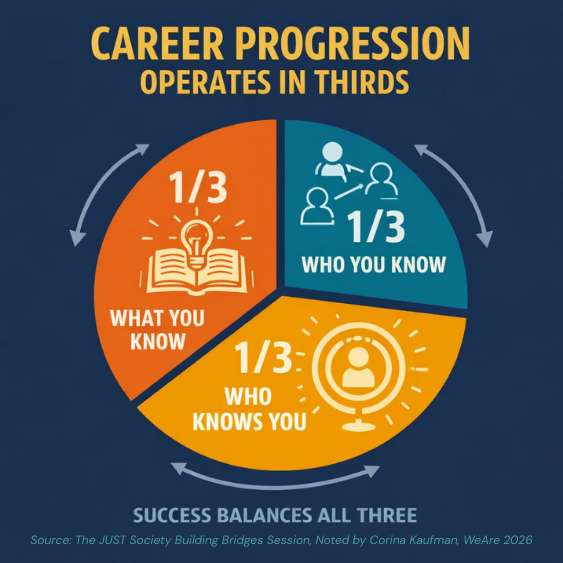
- One-third what you know
- One-third who you know
- One-third who knows you
In biotech, early advancement depends on technical performance.
Senior advancement depends on strategic visibility and influence.
Transitioning from performance to executive impact requires:
-
Strategic networks
-
Sponsor advocacy
-
Credibility in high-level decision environments
-
Consistent operational excellence
This shift determines who moves from director-level roles into C-suite leadership.
How Biotech Organizations Can Build Leadership Pipelines
The conversation moved beyond individual mentorship to structural solutions.
To expand executive representation in biotech, organizations must:
-
Embed mentorship into culture
-
Incentivize sponsorship behavior
-
Align succession planning with inclusion goals
-
Model advocacy at the C-suite level
Leadership pipelines strengthen innovation ecosystems.
Inclusive leadership pipelines strengthen industry performance.
Why Expanding Executive Leadership Connections in Biotech Matters
Biotech is entering a period defined by:
-
AI-driven drug discovery
-
Precision medicine
-
Global capital competition
-
Regulatory complexity
As innovation accelerates, leadership composition must evolve alongside it.
Expanding executive leadership connections in biotech improves:
-
Strategic decision-making
-
Organizational resilience
-
Innovation outcomes
-
Industry-wide equity
Executive networks are not peripheral — they are structural drivers of influence.
Frequently Asked Questions
What is executive sponsorship in biotech?
Executive sponsorship is when a senior leader advocates for your advancement in promotion and succession planning discussions.
How is mentorship different from sponsorship?
Mentorship offers advice and development. Sponsorship involves active advocacy and influence in decision-making rooms.
Why are leadership networks important in biotech?
Biotech leadership decisions impact capital, research direction, and patient outcomes. Networks influence who participates in those decisions.
What does The JUST Society focus on?
The JUST Society focuses on expanding Black executive representation in biotech and life sciences through mentorship, sponsorship, and peer-level C-suite engagement.
Personal Reflection
As a woman working at the intersection of technology and biopharma leadership ecosystems, I was honored to preview part of this closed session.
The experience reinforced that expanding executive leadership connections requires intention, structure, and shared responsibility.
Leadership is measured not only by title, but by the bridges built behind you.

Key Takeaways for Biotech Leaders
-
Mentorship sharpens leadership.
-
Sponsorship accelerates advancement.
-
Preparation signals executive readiness.
-
Visibility drives impact at senior levels.
-
Structural culture change determines pipeline outcomes.
Expanding executive leadership connections in biotech is not optional. It is strategic.
About The JUST Society
Inspired by the legacy of Dr. Ernest Everett Just, a trailblazing scientist in marine biology and cell physiology, we aim to create a supportive and inclusive community where Black men can achieve their full potential. By providing a platform for personal and professional growth, we strive to significantly increase the representation of Black men in C-suite roles and on corporate boards, fostering a new era of leadership and innovation. Learn more.