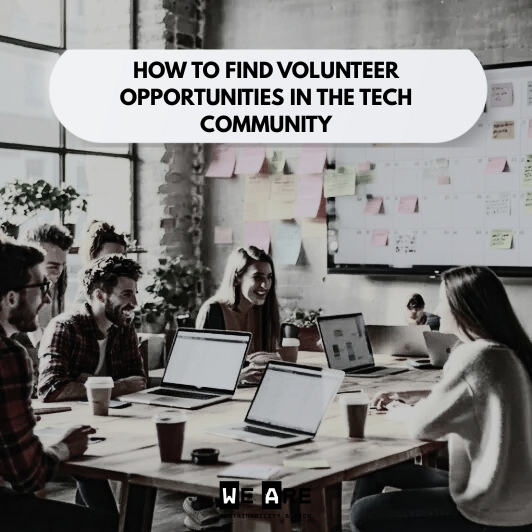
You’ve got valuable tech skills and a desire to give back, but where do you start? The tech community offers countless ways to volunteer, from building websites for nonprofits to teaching coding at local schools. Your expertise could transform organizations with limited resources or introduce technology to those who need it most. The right opportunity aligns with both your abilities and passions, creating impact that extends far beyond the hours you contribute. Let’s explore how to discover these meaningful connections.
Assessing Your Tech Skills and Volunteer Preferences
Self-awareness forms the foundation of meaningful tech volunteering.
Begin with a thorough skills assessment, identify your technical strengths, whether in coding, UX design, data analysis, or cybersecurity. Be honest about your proficiency levels and time availability.
Next, explore volunteer interests that align with your expertise. Are you passionate about education, ecological causes, or healthcare innovation?
Consider formats that suit your style: mentoring bootcamp students, building apps for nonprofits, or leading workshops.
The intersection of your technical abilities and personal values creates the most sustainable volunteer experiences, where you’ll contribute effectively while staying engaged long-term.
Building a Digital Portfolio for Volunteer Applications
Three essential elements make up an effective tech volunteer portfolio: completed projects, technical certifications, and documented impact. Your portfolio design should highlight these components through a clean, navigable interface that showcases your UX sensibilities.
When showcasing projects, include code samples with explanations of challenges you solved. This illustrates your problem-solving approach rather than just the end result. Link to GitHub repositories and deployed applications when possible.
Quantify your impact with metrics: “Developed app that increased efficiency by 40%” resonates more than vague descriptions.
Exploring Online Platforms for Tech Volunteers
While local volunteering opportunities exist, digital platforms have transformed how tech professionals can contribute their skills for social good.
Platforms like Catchafire, VolunteerMatch, and LinkedIn for Nonprofits connect you directly with organizations needing technical expertise.
Tech volunteering marketplaces such as Code for America, UN Volunteers Online, and Taproot+ offer project-based opportunities ranging from app development to cybersecurity consulting.
Many platforms allow filtering by skill set, time commitment, and cause area.
Consider niche communities like OpenSource.com or GitHub’s “Good First Issue” tags for contribution opportunities that align with your technical interests while building your portfolio.
Connecting With Local Nonprofits and Community Centers
Although online platforms offer convenience, your local community likely harbors nonprofit organizations hungry for tech talent. Start by researching community centers, libraries, and small nonprofits that might lack resources for digital transformation but haven’t advertised their needs online.
Attend networking events hosted by your chamber of commerce or tech meetups where nonprofit leaders often seek partnerships. Consider approaching schools, senior centers, or homeless shelters�they frequently need website development, database management, or basic tech training.
Community partnerships often begin with a simple conversation.
You’ll find that local impact creates more visible, immediate results than remote volunteering while building valuable professional connections.
Participating in Open Source Projects and Initiatives
As your technical skills develop, open source projects offer a uniquely accessible way to contribute meaningful work while expanding your portfolio.
You’ll find thousands of projects welcoming contributors of all skill levels on platforms like GitHub, GitLab, and SourceForge.
Start by exploring projects aligned with your interests and expertise. Look for repositories tagged “good first issue” or “help wanted.”
Open source collaboration thrives on diverse contributions, from code fixes and documentation improvements to testing and design work.
Project contribution doesn’t always require advanced programming skills. Your unique perspective and willingness to learn are equally valuable to these initiatives that shape tomorrow’s technology environment.
Mentoring at Coding Bootcamps and Educational Programs
Once you’ve established foundational technical skills, sharing your knowledge through mentorship creates powerful opportunities for both personal growth and community impact.
Reach out to local coding bootcamps, which frequently seek industry professionals to guide students through real-world projects. Many educational programs need volunteers for weekly tutoring sessions where you’ll help aspiring developers overcome technical hurdles.
Consider leading coding workshops at schools or community centers that serve underrepresented groups. These settings allow you to develop your leadership capabilities while democratizing tech education.
Remember that effective mentorship isn’t just about technical instruction, it’s about inspiring innovation and cultivating problem-solving mindsets.
Supporting Hackathons and Tech Events
Hackathons and tech events offer multiple ways for you to contribute your expertise as a volunteer mentor, guiding participants through technical challenges or helping teams refine their project ideas.
You’ll find opportunities to support these events behind the scenes by assisting with event setup, registration management, or coordinating judging panels.
These volunteer roles not only help create successful community events but also expand your professional network while showcasing the collaborative spirit of the tech industry.
Mentorship Roles Available
While technical skills are essential in the tech industry, sharing your expertise at hackathons and tech events creates immense value for emerging developers.
Structured mentorship programs offer you the chance to guide newcomers while reinforcing your own knowledge. You’ll find opportunities to coach participants through challenges, provide code reviews, and offer career guidance.
- Lead specialized workshops on emerging technologies
- Guide teams through product development challenges
- Provide one-on-one skill development sessions for underrepresented groups
- Serve as a judge for innovation competitions
These roles expand your network while fostering tech community growth and innovation.
Behind-the-Scenes Support
Successful tech events require much more than just visible mentors and presenters. Your talents can shine in operations roles that keep hackathons and conferences running smoothly. Volunteer as a technical support specialist troubleshooting connectivity issues, or coordinate skill sharing sessions that connect developers with designers.
Event logistics offer valuable networking opportunities while you gain insider experience. Take on responsibilities like managing registration, organizing digital assets, or assisting with live streaming. These behind-the-scenes roles provide firsthand exposure to how successful tech events operate.
Don’t overlook documentation, capturing proceedings guarantees knowledge transfer long after the event concludes and showcases your attention to detail.
Offering Virtual Technical Support to Global Organizations
As the planet becomes increasingly interconnected, your technical skills can make a profound impact on organizations thousands of miles away.
Virtual volunteering lets you provide remote troubleshooting while gaining valuable cross-cultural collaboration experience. NGOs globally need tech talent but can’t afford market rates.
- Help nonprofits build secure digital infrastructure
- Mentor local IT staff through video conferencing
- Develop custom solutions for unique operational challenges
- Participate in disaster response by restoring critical systems
Your expertise transcends borders, whether you have an hour weekly or can commit to longer projects.
The demand for virtual tech volunteers continues to grow exponentially across humanitarian sectors.
Creating Accessibility Solutions for Underserved Communities
Beyond remote support, tech volunteers can make a tangible difference in their own communities by focusing on accessibility challenges.
You’ll find meaningful projects by connecting with local nonprofits, disability advocacy groups, and senior centers that need customized accessibility tools.
Consider developing screen readers, creating voice-activated interfaces, or designing simplified apps for those with cognitive disabilities. Your skills could transform how underserved populations interact with technology.
Community engagement starts with listening, meet directly with potential users to understand their specific needs.
The most effective accessibility solutions emerge when developers collaborate with the very people they’re designing for, creating truly inclusive technology.
Balancing Professional Work With Volunteer Commitments
While your passion for tech volunteering can drive meaningful change, finding the right balance with your day job requires thoughtful planning. Effective time management guarantees you maintain productivity in both spheres without burnout.
- Set clear boundaries between professional and volunteer work, create dedicated calendar blocks.
- Communicate openly with both employers and volunteer coordinators about your availability.
- Start with small, manageable commitments before scaling up your involvement.
- Leverage your professional skills strategically where they’ll create maximum impact.
Remember that sustainable volunteering enhances your career rather than competing with it. By setting boundaries and mastering time management, you’ll create a symbiotic relationship between paid work and community contribution.
Conclusion
You’re now equipped to make a meaningful impact in the tech community. Start by matching your skills with the right opportunities, whether through online platforms, local nonprofits, or open source projects. Don’t wait for the perfect match, reach out, connect, and offer your expertise. Your technical skills can transform lives and organizations while enriching your own professional journey.