
You’re sitting on untapped potential if you haven’t strategically used social media to grow your tech community. In the current digital environment, platforms like Twitter, LinkedIn, and Discord offer unique advantages for connecting with developers, sharing knowledge, and establishing your tech brand. But which platforms deserve your time? What content actually engages technical audiences? And how do you transform casual followers into active community members who contribute value? The answers might surprise you.
Identifying Your Tech Community’s Target Audience
Why does defining your target audience matter so importantly in tech community building? Because precision drives engagement. Without clear targeting, your community efforts scatter across too broad a terrain, diluting impact.
Start by crafting detailed user personas representing your ideal community members. Consider their technical expertise, career stage, and specific challenges they face daily.
Map community interests to content strategy, developers may prioritize code examples while product managers seek use cases. This targeting guarantees your social channels resonate authentically.
Remember: Well-defined audiences yield focused conversations, meaningful connections, and finally, a thriving tech ecosystem where innovation flourishes.
Selecting the Right Social Media Platforms for Tech Engagement
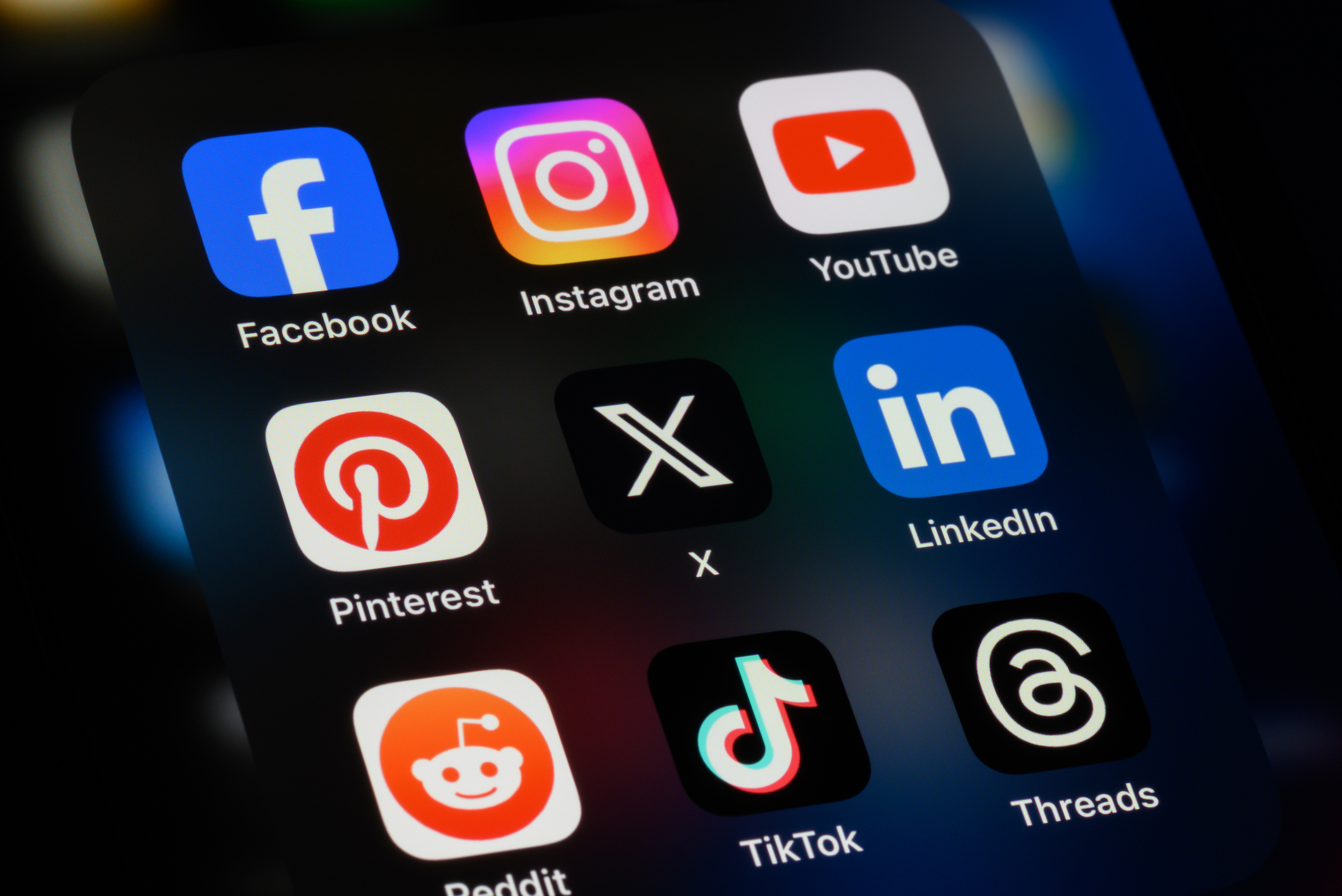
Choosing the right platforms requires you to understand where your tech audience congregates, with LinkedIn attracting professionals and Discord drawing developers and gaming communities.
You’ll need to analyze platform-specific demographics to determine where your content will resonate most effectively with your target tech audience.
Your cross-platform strategy should adapt content formats while maintaining consistent messaging across GitHub, Stack Overflow, Reddit, and mainstream social networks.
Platform-Specific Tech Demographics
Seven distinct social media platforms dominate the tech community landscape, each attracting unique demographic segments of technology professionals.
Understanding these Tech Platform Insights helps you target your community-building efforts more effectively.
User Engagement Trends reveal where your specific tech audience congregates:
- LinkedIn: Hosts senior developers (35-55), CTOs, and tech decision-makers
- Twitter: Attracts startup founders, tech journalists, and trending technology discussions
- GitHub: Engages open-source contributors and coding professionals
- Discord: Popular with younger developers (18-34), gaming tech specialists, and real-time collaboration
Match your community-building strategy to these platform demographics for maximum impact and genuine connection.
Cross-Platform Content Strategy
While each social media platform has its unique technical audience, a successful cross-platform content strategy requires both diversification and focus.
You’ll need to maintain consistency while adapting content formats for each platform’s strengths. Deploy cross-platform tools to streamline your workflow. Buffer, Hootsuite, or Sprout Social can help manage multiple channels simultaneously.
Content scheduling is essential; timing posts for maximum engagement varies across platforms. LinkedIn content performs well during business hours, while Twitter discussions might thrive evenings or weekends.
Don’t simply duplicate content. Repurpose strategically, turn detailed GitHub documentation into Twitter threads or LinkedIn articles, with platform-specific calls to action.
Creating Content That Resonates With Developers and Tech Professionals
When engaging the tech community, you’ll boost credibility by sharing code examples that solve real problems developers face daily.
Ask thoughtful technical questions that spark discussions and demonstrate your understanding of development challenges.
Remember that tech professionals value practical content that helps them improve their skills or solve problems they’re currently tackling.
Code Examples Matter
Because developers spend most of their days writing and reviewing code, nothing resonates with them more than well-crafted code examples in your social media content.
Share solutions that showcase real-world applications to immediately capture their attention.
Engage your audience by offering:
- Bite-sized snippets solving common problems
- Side-by-side comparisons of different approaches
- Live code collaboration sessions that invite participation
- References to open source projects they can explore further
This approach transforms passive scrolling into active learning opportunities.
When you consistently deliver valuable code examples, you position yourself as a trusted resource within the tech community, building credibility while fostering meaningful connections.
Ask Technical Questions
How can you spark genuine dialogue in a sea of tech content? Start by posing thoughtful technical questions that address real-world challenges developers face daily.
When you frame questions around specific technical challenges, you invite multiple perspectives rather than passive consumption. Consider questions like “How do you handle authentication in serverless architectures?” or “What’s your approach to optimizing React rendering?”
The best questions ignite coding debates that reveal diverse methodologies and unexpected solutions. They position you as a curious practitioner rather than just another content creator.
Building an Authentic Personal Brand in the Tech Space
While many technologists focus solely on coding skills, your personal brand finally determines your career trajectory in the tech industry.
Developing authentic personal branding strategies helps you stand out in a crowded digital environment while opening doors to tech influencer partnerships.
To build your genuine tech persona:
- Share real-world coding challenges and solutions you’ve encountered
- Consistently contribute valuable insights in your specialized domain
- Document your learning journey, including failures and breakthroughs
- Engage meaningfully with content from others rather than just broadcasting
This approach transforms you from another developer into a recognized voice worth following in the tech community.
Leveraging Twitter for Real-Time Tech Conversations and Networking
Although many developers overlook Twitter as merely a social platform, it remains one of tech’s most powerful networking hubs where industry leaders, emerging talent, and hiring managers converge daily.
Track real-time trends with developer hashtags like #DevDiscuss or #TechTwitter to discover emerging technologies. Participate in Twitter chats to build meaningful connections while showcasing your expertise.
Create engaging threads that invite feedback loops from the community. Don’t just consume, contribute through knowledge sharing and tech polls that spark conversation.
Join community challenges to demonstrate your skills publicly. Strategically approach influencer outreach by adding value before requesting attention.
These networking opportunities transform Twitter from a casual platform into a career accelerator.
Harnessing LinkedIn for Professional Tech Community Development
LinkedIn offers tech professionals a powerful platform to showcase their technical expertise through articles, comments, and portfolio work.
You’ll maximize community development by hosting virtual events like AMAs, webinars, and expert panels that address trending industry topics.
Optimize your group engagement by starting meaningful discussions, responding promptly to comments, and connecting members with relevant opportunities within your tech niche.
Showcase Technical Expertise
Demonstrating your technical prowess on LinkedIn transforms your profile from a simple résumé, into a dynamic portfolio that attracts industry peers and potential employers.
Share your specialized knowledge consistently to establish credibility and expand your professional network.
- Create and share technical tutorials that solve common industry challenges
- Publish insights from expert interviews with tech leaders in your field
- Showcase real-world project outcomes with measurable metrics
- Contribute thoughtful analysis on emerging technologies and industry trends
This strategic content positioning elevates your visibility among decision-makers and innovators, creating opportunities for collaboration and career advancement beyond your immediate network.
Host Virtual Events
By organizing virtual events on LinkedIn, you’ll create powerful opportunities for knowledge exchange while positioning yourself as a community builder in the tech industry.
Start with interactive sessions that solve real problems, hackathons, code reviews, or tech demos drive engagement.
Leverage platform integration to streamline attendee registration and enhance virtual networking experiences. Collaborate with industry speakers to add credibility and expand your reach through coordinated event promotion.
Track attendee feedback to continuously improve your community building strategies. Implement engaging activities like polls and breakout rooms.
Don’t forget post-event follow-up engagement to maintain momentum and explore sponsorship opportunities that can fund future initiatives.
Optimize Group Engagement
When you actively engage in LinkedIn tech groups, you’ll transform passive connections into vibrant professional communities.
Implementing strategic engagement tactics creates meaningful discussions while generating valuable community feedback.
To optimize your LinkedIn group engagement:
- Post thought-provoking questions that address industry pain points
- Share exclusive insights from your professional experience, inviting others to contribute
- Respond to comments within 24 hours to maintain momentum
- Create weekly themed discussions that align with emerging tech trends
This approach positions you as a community catalyst rather than just another member, establishing your influence while fostering a collaborative atmosphere where innovation thrives.
Managing Discord and Slack Communities for Deeper Engagement
Discord and Slack have emerged as central hubs for tech communities looking to foster meaningful connections beyond traditional social media platforms.
To maximize these tools, establish clear community guidelines that reflect your values while encouraging open dialogue.
Your engagement strategies should include dedicated channels for specific interests, regular AMAs with industry experts, and coding challenges that spark collaboration.
Use bots to automate routine tasks, freeing you to focus on meaningful interactions.
Remember that consistency matters, schedule weekly events that members can anticipate.
Create spaces where developers can share their work, receive feedback, and build relationships that transcend purely digital connections.
Measuring Social Media Impact With Analytics and KPIS
As community-building efforts take shape, your attention must shift to understanding their actual business impact.
Tracking social media metrics provides actionable intelligence that transforms your tech community from a collection of followers into a strategic asset.
- Monitor engagement analysis trends across platforms to identify which content formats drive meaningful interactions.
- Leverage audience insights to segment your community and tailor content to specific developer personas.
- Implement performance tracking dashboards that connect social activities to business outcomes.
- Establish a custom social media metrics framework that aligns with your tech community’s unique growth objectives.
Organizing Virtual Events and Hackathons Through Social Channels
While building an online presence establishes your foundation, virtual events and hackathons transform passive followers into active community members.
Leverage platforms like Twitter, Discord, and LinkedIn for event promotion, creating dedicated hashtags and event pages to maximize visibility.
Structure your virtual hackathons with clear themes, realistic timelines, and compelling prizes.
Facilitate virtual networking through breakout rooms, dedicated Slack channels, and matched mentorship sessions.
Remember to capture event highlights for post-event content that extends your reach and documents your community’s collaborative achievements.
This creates a powerful content loop that drives future participation.
Turning Online Connections Into Meaningful Professional Relationships
Virtual events create momentum, but the real value of tech community building emerges when you transform casual online interactions into lasting professional relationships.
Effective networking tips include strategic follow-ups after initial connections.
- Schedule virtual coffee chats to deepen conversations beyond platform limitations
- Share industry insights regularly to position yourself as a valuable connection
- Offer specific help rather than general availability for relationship building
- Create private discussion groups where trusted connections can exchange sensitive industry challenges
When you’re consistent and authentic in these efforts, digital connections naturally evolve into collaborative partnerships that drive innovation forward.
Conclusion
Remember, you’re not just gathering followers, you’re cultivating relationships. Stay authentic, consistent, and responsive across platforms. Track what works, adapt what doesn’t, and always prioritize value over volume. As you transform online connections into real collaborations, your tech community will become more than a network, it’ll become a catalyst for innovation and professional growth in your tech journey.