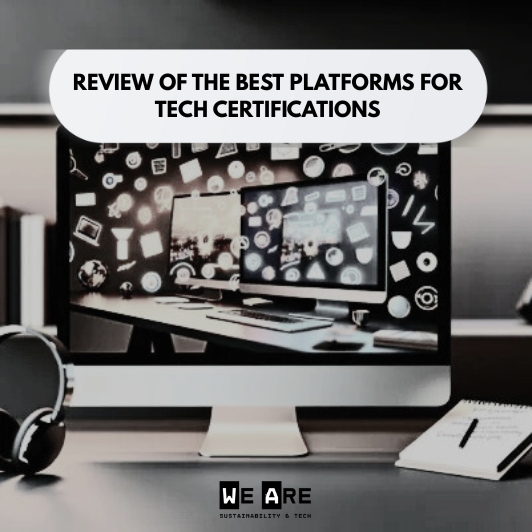
You’re facing a vital decision when selecting a tech certification platform. With options ranging from industry-specific programs like Microsoft Learn to broad marketplaces like Udemy, your career advancement hinges on choosing wisely. The right platform won’t just provide credentials, it’ll build practical skills through hands-on labs, offer community support, and align with industry demands. What separates the essential platforms from the merely adequate ones? The answer might surprise you.
Criteria for Evaluating Tech Certification Platforms
When selecting a platform for tech certifications, you’ll need to evaluate several key factors to guarantee it meets your specific needs.
First, assess certification credibility by researching industry recognition and employer value. Verify if certifications are backed by major tech companies or independent accreditation bodies.
Next, examine platform usability through intuitive navigation, responsive design, and accessibility across devices. The best platforms offer seamless learning experiences with minimal technical friction.
Also consider cost structure, learning format variety, practice exam availability, and community support.
Progressive platforms integrate cutting-edge learning technologies like AI-powered assessments and adaptive learning paths.
Coursera: Partnerships With Industry Giants
Four major technology companies have elevated Coursera’s certification value through exclusive partnerships.
Google’s IT Professional Certificate and IBM’s Data Science Professional Certificate offer you cutting-edge skills with direct industry recognition.
Meanwhile, Microsoft and AWS leverage Coursera partnerships to deliver cloud computing credentials that employers actively seek.
These industry collaborations create a unique advantage: you’re learning directly from the technology creators themselves.
When you showcase these certifications on your resume, hiring managers instantly recognize the legitimacy of your skills.
Coursera’s platform design further enhances the experience by providing interactive labs and practical assessments that mirror real-world technology settings.
Udemy’s Flexible Approach to Tech Certification
Unlike Coursera’s corporate partnerships, Udemy offers a marketplace model that gives you unparalleled flexibility in your certification journey.
You’ll find thousands of certification prep courses created by industry professionals, not just institutions.
Udemy’s course variety spans every tech sector imaginable, from AWS certification to ethical hacking credentials.
This democratized approach means you’re never limited to conventional learning paths.
Smart tech professionals leverage frequent Udemy discounts, often securing premium certification courses at 80-90% off retail prices.
This pricing strategy lets you build extensive certification portfolios without the enterprise-level investment that traditional education demands.
CompTIA: The Gold Standard for IT Fundamentals
CompTIA certifications represent the cornerstone of IT credentialing, widely recognized across industries as the fundamental starting point for tech careers.
You’ll find their structured approach provides clear CompTIA pathways from entry-level to specialized expertise in cybersecurity, networking, and cloud computing.
One of the key CompTIA benefits is their vendor-neutral curriculum, ensuring you’re not locked into a single ecosystem.
Instead, you’ll develop versatile skills applicable across diverse technologies. Their certifications are regularly updated to reflect cutting-edge industry standards, making them particularly valuable if you’re seeking to demonstrate relevant expertise to potential employers or clients.
Microsoft Learn: Direct From the Source
When seeking certifications directly from a technology leader, Microsoft Learn stands out as the definitive platform for Microsoft’s vast ecosystem of products and services.
You’ll access authentic Microsoft resources that align perfectly with certification exams and industry demands.
Microsoft Learn delivers certification benefits that propel your career forward:
- Self-paced learning paths tailored to your skill level
- Hands-on labs in live Azure settings without additional costs
- Direct integration with Microsoft certification exam registration
- Community forums where you can connect with Microsoft experts and fellow learners
Transform your expertise into recognized credentials that showcase your ability to implement cutting-edge Microsoft technologies.
AWS Training and Certification Platform
AWS’s training platform offers a robust certification pathway with exams structured in tiers from Foundational to Specialty levels.
You’ll find their hands-on labs particularly valuable, providing real AWS console experience without incurring actual cloud service costs.
These practical exercises complement theoretical knowledge, allowing you to apply concepts directly in scenarios you’ll encounter in production settings.
AWS Exam Structure
The AWS certification exams break down into distinct formats depending on your chosen certification path.
When preparing for AWS exam types, you’ll encounter different structures designed to validate your cloud expertise and technical knowledge.
- Multiple-choice/multiple-response – Most common format requiring selection of one or more correct answers
- Exam duration – Typically ranges from 90-180 minutes based on certification level
- Question count – Usually contains 65-75 questions, varying by exam difficulty
- Scoring methodology – Uses scaled scoring from 100-1000 with 700+ as passing threshold
AWS preparation tips include understanding domain weightings and practicing with scenario-based questions that mirror real-world challenges.
Hands-on Lab Offerings
Beyond understanding exam formats, practical experience separates successful candidates from those who struggle with AWS certifications.
AWS Training and Certification Platform delivers industry-leading hands-on projects that replicate real-world scenarios without risking production settings.
You’ll access virtual labs covering essential services like EC2, S3, and Lambda through an intuitive interface that tracks your progress.
These labs automatically provision resources, eliminating setup frustrations while providing guided challenges that reinforce theoretical concepts.
What distinguishes AWS labs is their authenticity, you’re working with actual AWS services, not simulations.
This practical exposure builds muscle memory and troubleshooting skills that certification exams increasingly demand.
Google Cloud Certification Programs
As organizations increasingly migrate to cloud-based infrastructure, Google Cloud certifications have emerged as valuable credentials for IT professionals seeking to demonstrate their expertise.
When you’re ready to validate your knowledge depth in cloud technology, Google’s program offers extensive skill validation pathways.
Google Cloud certification benefits include:
- Access to cutting-edge learning resources through interactive training platforms
- Well-structured exam preparation materials matching industry standards
- Significant career impact with globally recognized credentials
- Complete online accessibility allowing you to study and certify from anywhere
You’ll find these certifications particularly valuable if you’re looking to differentiate yourself in the current competitive cloud computing environment.
Pluralsight: Skills Assessment and Learning Paths
While many platforms offer tech certification preparation, Pluralsight distinguishes itself through its thorough skills assessment engine and personalized learning paths.
You’ll benefit from Pluralsight’s innovative skills evaluation tool that measures your proficiency across various tech domains. The platform analyzes your strengths and gaps, then crafts personalized learning recommendations tailored to your specific needs.
Pluralsight’s approach eliminates wasted time on concepts you’ve already mastered. Their curated paths align perfectly with certification requirements for AWS, Microsoft, CompTIA, and other leading providers.
The interactive coding settings and hands-on labs reinforce practical skills that certification exams increasingly demand.
Linux Academy and Cloud Training Solutions
For those seeking specialized knowledge in Linux and cloud infrastructure, Linux Academy stands out as a premier training destination.
You’ll find extensive Cloud Training resources tailored to both beginners and experienced professionals.
Linux Academy differentiates itself through:
- Hands-on labs with actual cloud settings
- Certification-specific study paths for AWS, Azure, and Google Cloud
- Active community forums where you can connect with industry experts
- Sandboxed servers for risk-free experimentation with complex configurations
You can track your progress through interactive dashboards while preparing for industry-recognized certifications.
Their platform continually updates content to align with evolving cloud technologies and certification requirements.
Cost-Benefit Analysis of Certification Platforms
When evaluating tech certification platforms, you’ll need to weigh their costs against potential career returns. The investment varies dramatically, from $300 to $3,000 for extensive programs, but consider salary increases averaging 15-25% post-certification.
Platform accessibility notably impacts value comparison. Subscription-based services like Pluralsight ($29/month) offer unlimited courses, while, la carte options like Udemy let you target specific skills without recurring fees.
Factor in hidden benefits: practice exams, mentorship opportunities, and community forums. The cheapest option isn’t always the best value, platforms with higher completion rates and employer recognition often justify premium pricing through accelerated career advancement.
Conclusion
You’ll maximize your tech career potential by selecting platforms that align with your specific goals and learning style. Whether you’re drawn to Coursera’s academic partnerships, Udemy’s flexibility, or Microsoft Learn’s direct industry connection, the right certification platform combines credibility, practical experience, and cost-effectiveness. Don’t overlook community support and hands-on labs, they’re essential for turning theoretical knowledge into marketable skills.