You’re facing a unique challenge when crafting social media content for technical audiences. Your strategy must bridge the gap between complex innovations and engaging social formats while maintaining credibility with discerning tech professionals. How do you balance technical accuracy with content that captures attention? The answer lies in understanding the distinct segments within your audience and adapting your approach accordingly a process that transforms standard social posts into valuable technical resources worth sharing.
Social Media Strategy for Tech Engagement: Understanding Your Tech Audience Segments
While many marketers treat tech enthusiasts as a monolithic group, successful social media engagement requires recognizing the distinct segments within this diverse audience.
You’ll need to develop detailed audience personas based on demographic insights and interest categories. Each segment exhibits unique engagement behaviors and communication styles that must inform your content strategy.
Early adopters respond to cutting-edge innovations, while pragmatic users seek practical applications and reliable solutions.
Analyze segment preferences through robust feedback mechanisms to understand their content expectations. This targeted approach allows you to craft messages that resonate specifically with each group, dramatically improving conversion rates and building authentic community connections.
Social Media Strategy for Tech Engagement: Selecting the Right Platforms for Technical Communities
Choosing platforms that align with your target tech demographic’s preferences will greatly increase your engagement potential.
You’ll need to evaluate each platform’s API capabilities, developer tools, and technical features to guarantee compatibility with your community’s specialized needs.
Watch how your technical audience interacts across different platforms, noting where they share code snippets, troubleshoot problems, or engage in technical discussions most actively.
Platform Demographics Analysis
Before launching your tech-focused social media campaigns, understanding the demographic settings of various platforms becomes critical for effective resource allocation.
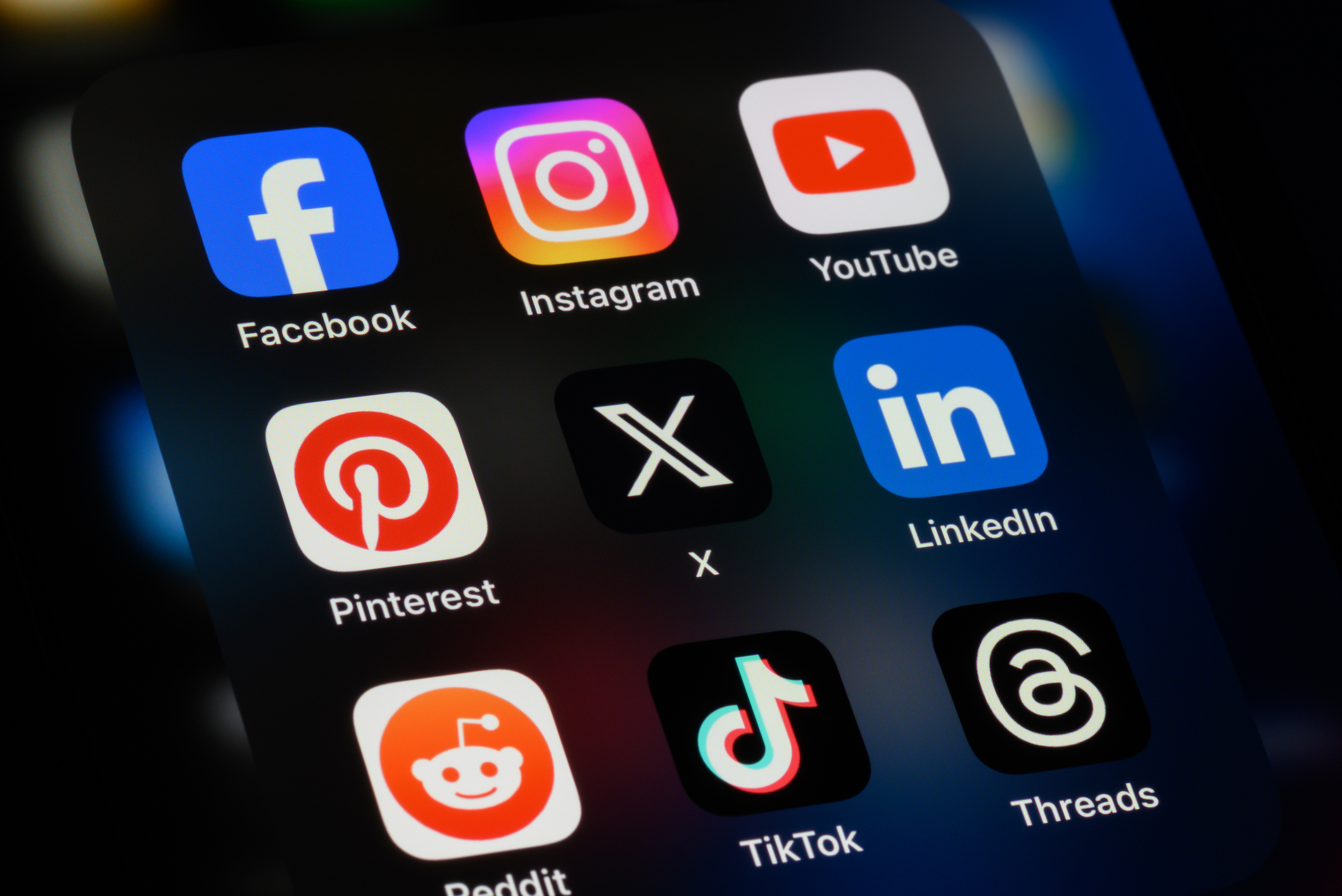
LinkedIn attracts professionals seeking industry knowledge, while Twitter hosts real-time tech discussions among early adopters. GitHub’s community skews toward developers, whereas Discord serves niche technical groups with specific interests.
Your strategy must align with platform usage patterns and audience preferences. Investigate where your target segments spend time, whether they’re Gen Z developers on TikTok or enterprise decision-makers on LinkedIn.
Don’t waste resources on platforms misaligned with your tech community’s habits, regardless of general popularity.
Technical Feature Compatibility
Since each social media platform offers distinct technical capabilities, you’ll need to match these features with your tech community’s specific requirements.
Evaluate platforms based on how they support technical content like code snippets, long-form explanations, or demo videos.
Prioritize cross-platform integration to maintain consistent messaging across channels while leveraging each platform’s unique advantages.
Conduct feature compatibility testing before fully committing resources test interactive elements, API connectivity, and technical content display across devices.
Choose platforms that allow your community to engage with your technical content in their preferred format, whether it’s through collaborative coding settings, visual demonstrations, or technical discussions.
Community Interaction Patterns
While technical features matter considerably, understanding your audience’s interaction patterns forms the foundation of platform selection for tech communities.
Community engagement varies dramatically across platforms, with interaction frequency and feedback loops determining your response strategies.
- Track sentiment analysis metrics to identify when users most actively contribute user-generated content
- Optimize engagement by matching your posting cadence with platform-specific interaction types
- Leverage loyalty metrics to measure community growth beyond basic engagement statistics
Establishing Your Brand’s Technical Voice and Tone
Your technical brand voice needs to balance authentic expertise with accessible language that won’t alienate non-specialists.
When you translate complex concepts into relatable terms, you build bridges between your technical knowledge and your audience’s practical needs.
Maintaining this carefully crafted voice consistently across all platforms strengthens your identity and helps technical audiences recognize your content regardless of where they encounter it.
Authenticity vs. Technical Jargon
How effectively does your tech brand balance authenticity with technical terminology? Finding this sweet spot creates connections with your audience while showcasing expertise.
Authentic storytelling humanizes your complex solutions, while jargon simplification guarantees your message reaches beyond industry insiders.
- Translate technical concepts into relatable benefits that solve real user problems
- Share behind-the-scenes glimpses that reveal your team’s genuine passion
- Balance precision with accessibility by defining necessary terms in conversational ways
Humanize Complex Concepts
Beyond balancing authenticity and jargon lies the art of humanizing technical complexity through your brand’s distinct voice.
You’ll connect with audiences by translating intricate concepts into accessible language that resonates emotionally.
Create relatable storytelling by framing technical features as solutions to real human problems. Show actual people benefiting from your innovation rather than listing specifications alone.
Your brand voice should maintain technical accuracy while fostering human connection. Use analogies comparing complex processes to everyday experiences.
Remember that even the most sophisticated audiences appreciate clarity over complexity.
The most successful tech communicators don’t simplify, they illuminate, making the complex feel intuitive and necessary.
Consistency Across Platforms
While each social platform demands unique content formats, maintaining a consistent technical voice creates recognition across your digital landscape. Your brand’s identity should transcend platform boundaries through content uniformity and deliberate branding coherence.
- Develop a technical style guide documenting tone, terminology, and visual elements for all platforms.
- Establish platform-specific templates that honor both channel uniqueness and your core identity.
- Implement cross-platform content calendars to guarantee messaging alignment during product launches.
This consistency doesn’t mean identical content everywhere, it means your innovative solutions remain recognizable whether on Twitter’s fast-paced setting or LinkedIn’s professional space.
Your audience should instantly identify your tech brand regardless of where they encounter it.
Social Media Strategy for Tech Engagement: Creating Value-Driven Content for Tech Enthusiasts
Creating value-driven content for tech enthusiasts requires understanding their distinct information needs and curiosity drivers. Your audience seeks depth, not superficial coverage of trending topics.
Focus on value-driven themes that illuminate technical concepts, solve real problems, or provide insider insights. Experiment with engaging formats like code walkthroughs, teardowns of emerging technologies, or expert interviews that deliver substantial knowledge.
Remember that tech enthusiasts appreciate content that respects their intelligence while making complex ideas accessible. Your content should consistently answer the question: “What can they learn, apply, or understand better after engaging with this?”
This value-first approach builds credibility and loyalty.
Social Media Strategy for Tech Engagement: Leveraging Data and Analytics to Optimize Engagement
Successful tech content creation naturally leads to the next challenge: understanding what’s actually working.
You’ll need to embrace data-driven insights to evolve your strategy beyond gut feelings. Today’s analytics tools reveal not just what content performs, but why it resonates with your tech audience.
- Track engagement metrics across platforms to identify which technical topics generate meaningful interactions
- Analyze demographic data to tailor your tech messaging to specific developer or enthusiast segments
- Use A/B testing to refine content formats, posting times, and technical depth
Transform raw analytics into actionable strategy by focusing on metrics that align with your tech community-building goals.
Social Media Strategy for Tech Engagement: Building Developer Communities and Technical Loyalty
Once you’ve mastered content creation and analytics, fostering a thriving developer community becomes your next critical objective. Your social platforms aren’t just promotional channels, they’re ecosystems where technical loyalty flourishes.
Create dedicated spaces where developers can collaborate, share insights, and solve problems collectively. Consider hosting virtual hackathons, AMAs with your engineering team, or technical workshops that showcase practical applications of your tools.
Developer engagement deepens when you recognize contributions publicly. Highlight community projects, celebrate innovative implementations, and establish mentor programs that accelerate community growth.
Social Media Strategy for Tech Engagement: Balancing Technical Depth With Accessible Communication
You’ll need to tailor your technical content to match your audience’s expertise level, preventing confusion for beginners while keeping advanced users engaged.
Transform complex technical concepts into visual elements like infographics or diagrams to make them more digestible across knowledge levels.
When simplifying technical information, maintain the integrity of core concepts while removing unnecessary jargon that doesn’t serve your communication goals.
Know Your Audience’s Level
Balancing technical depth with accessible communication stands as one of the greatest challenges in tech social media strategy. You must carefully evaluate your audience’s technical literacy before crafting content.
Developing detailed audience personas helps identify engagement preferences across different platforms and technical backgrounds.
- Segment your audience by technical proficiency (beginner, intermediate, expert)
- Test content with representatives from each segment before wide distribution
- Create tiered content that allows users to choose their depth of engagement
When you understand your audience’s level, you can create content that feels appropriately challenging without becoming frustrating or condescendingly simple.
This balance drives meaningful tech engagement.
Visualize Complex Concepts
Visual storytelling transforms abstract technical concepts into digestible, memorable experiences for your audience. When crafting your social media strategy, prioritize visual aids that simplify complexity without sacrificing accuracy.
Leverage infographic design to break down technical processes, while animated explanations can demonstrate dynamic systems in action. Interactive graphics encourage deeper engagement, allowing users to explore concepts at their own pace.
Consider concept mapping and diagrammatic representation to show relationships between technical elements. Effective data visualization translates numbers into insights, while visual metaphors connect new ideas to familiar frameworks.
Simplify Without Dumbing Down
Beyond visualization lies the art of simplification, a skill that honors both technical accuracy and audience comprehension.
When crafting tech content, you’re balancing precision with accessibility. Your audience wants substance, not watered-down concepts.
- Use user-friendly terminology while preserving technical integrity, replace jargon with analogies that maintain meaning.
- Create engaging visuals that simplify complexity rather than oversimplify, diagrams should reveal relationships, not hide them.
- Test your explanations with both experts and novices to guarantee you’re hitting the sweet spot.
Social Media Strategy for Tech Engagement: Integrating Product Updates With Thought Leadership
When tech companies effectively integrate product updates with thought leadership content, they transform mundane announcements into valuable industry insights.
You’ll maximize engagement by pairing feature launches with forward-thinking perspectives. Instead of simply announcing updates, contextualize them within industry trends. Your product launch strategies should demonstrate how your solutions address evolving challenges, positioning you as both innovator and visionary.
Successful thought leadership examples include publishing case studies alongside releases, hosting expert roundtable discussions on implementation, or creating prediction pieces that showcase your product’s relevance.
This balanced approach keeps your audience informed about immediate improvements while establishing your brand as a trusted industry guide steering through the technological frontier.
Social Media Strategy for Tech Engagement: Measuring KPIs Beyond Standard Social Metrics
Although likes and shares provide immediate feedback, truly effective tech marketing requires diving deeper into metrics that reveal actual business impact.
You’ll need to track conversions from social content to product trials, demos, or purchases to understand real ROI.
- Gather qualitative insights through direct customer feedback about how social content influenced their decision-making journey.
- Create engagement benchmarks specific to your industry vertical rather than comparing against generic standards.
- Measure content’s influence on shortening sales cycles by tracking how educated prospects move through your pipeline.
These deeper metrics transform your social strategy from simply driving awareness to becoming a measurable growth engine for your tech business.
Social Media Strategy for Tech Engagement: Adapting to Emerging Technologies and Platform Changes
Social metrics only matter if you’re keeping pace with the platforms that generate them. As algorithms evolve and user preferences shift, your strategy must demonstrate platform adaptability to maintain relevance and effectiveness.
Stay vigilant for emerging trends in technology adoption. When platforms introduce new features whether it’s Twitter’s Spaces, Instagram’s Reels, or LinkedIn’s audio events experiment early to gain competitive advantages.
Don’t chase every innovation, but strategically adopt those aligning with your audience’s behaviors.
Remember that yesterday’s winning strategy might become tomorrow’s outdated approach. Build flexibility into your planning cycle to pivot quickly when platform changes demand it.
Social Media Strategy for Tech Engagement: Conclusion
You’ll succeed by knowing your audience segments, choosing platforms where technical content thrives, and maintaining a consistent yet accessible voice. Don’t just post create value through education, insights, and thoughtful engagement. Track meaningful metrics beyond likes, and stay adaptable as platforms evolve. When you balance technical depth with clarity, you’re not just building followers you’re cultivating a genuine tech community that grows with you.